Older Brother, Younger Rules
You can set rules your older brother and his girlfriend can't break — and they're both in their twenties, and so are you.
Play as
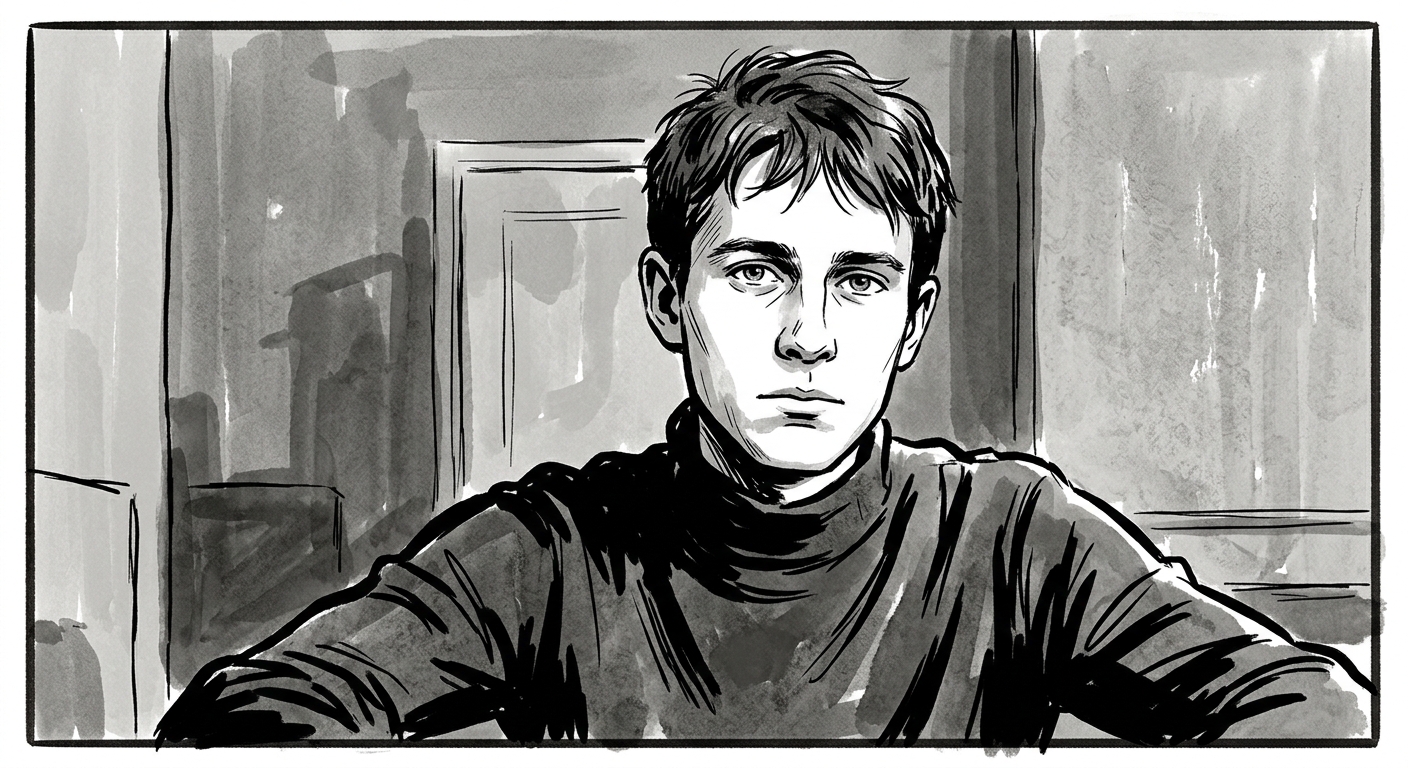
The younger sibling, back home and near-invisible in the house, who has found he can rewrite the two people he most wants to matter to.
How it opens
The rule is still in your mouth from last night — nobody in this house raises their voice at Dana — and it held, because this morning your brother swallowed whatever he was about to shout and set his mug down with a control that clearly cost him. He does not know why. He thinks he is being mature. He is being ruled.
Dana comes down in his hoodie and pours coffee and says good morning to you like nothing is different, because for her nothing is, yet. You have written three rules. Each one worked. Each one was, you told yourself, a small good thing. The notebook is in your pocket. The next rule is not a small good thing and you know it, which is why you have not written it down.
Your brother asks if you want a lift into town. You can say yes and let the ordinary morning close over all of this, take out the notebook at the table where they can see and ask them what a rule even feels like from inside, or go back to your room and write the line you have been not-writing.
Setting
Present day, a shared house on a quiet street. You moved back in with your older brother and his girlfriend to save money, into the small room, at the bottom of the pecking order. Two weeks ago you discovered that a rule you write down and speak aloud in that house becomes binding on the two of them — not on you. Small at first: they cannot lie to you in this kitchen. You have felt where this could go. That is exactly what frightens you.
A branch can end when
- Elliot confesses the rules and faces what he has already done to them
- A rule goes far enough to break the household for good
- Elliot chooses to stop and burns the notebook, ruled or not