The Long Game
Five friends sit down to play a mysterious board game they found in an antique shop. Each move they make on the board transforms them in some way, often irreversibly.
Play as
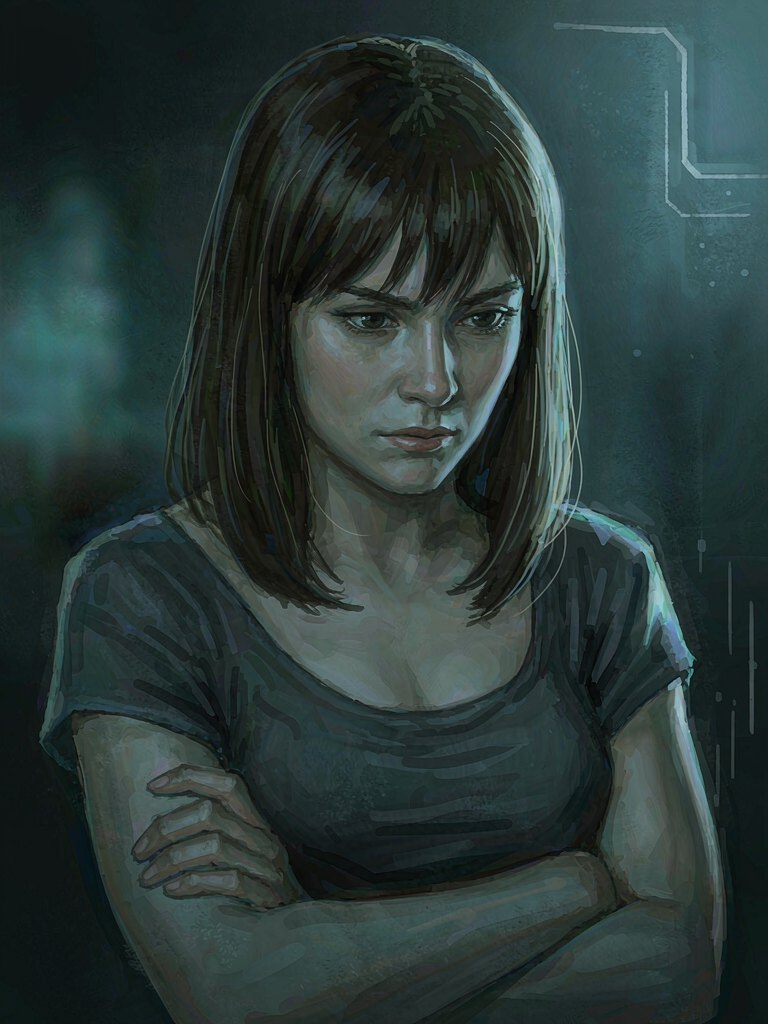
The one who bought the game; skeptical, protective, and secretly the most afraid of what it might prove about her.
How it opens
The board sits in the middle of Dana's coffee table, older than anything else in the apartment. The wood is dark and unblemished, the squares carved with symbols no one recognizes except Priya, who keeps leaning in and then pulling back like the surface is warm. The rulebook inside the box is a single page of tight, handwritten script that shifts slightly whenever you try to read a line twice. The wax wrapping is still on the floor by the door, and it smells faintly of cedar and something else — iron, maybe, or blood.
Marcus goes first because Marcus always goes first. He rolls the small bone dice, moves his carved piece three squares, and reads his card aloud with a grin: 'The player's voice becomes the voice of the sea.' Everyone laughs. Then he opens his mouth to ask what that's supposed to mean, and what comes out is a sound like waves dragging shingle across a beach — beautiful, unmistakably his, and no longer words.
The room goes very quiet. The radiator ticks. The candle Elena lit earlier bends sideways though no window is open, and every piece on the board — including four that no one has touched — slides one square forward on its own. Dana looks at the rulebook again, and for the first time a full line holds still long enough to read: The game ends when a player reaches the final square. It is not necessary that the player be the one who moves.
Setting
Present-day city, one rain-soaked October evening. Five university friends, now in their twenties and drifting apart, find a handcrafted wooden board game sealed in a wax-wrapped box at Marlowe's Antiques. The shopkeeper sells it to them for a dollar and a warning. Every square they land on changes something — a voice, a memory, a limb, a life — and the box will not let them stop until the game is finished.
A branch can end when
- One player reaches the final square, however the game defines 'player' by then.
- The group finds a way to break or return the game — or learns the game cannot be returned.
- Every player is transformed past the point of being able to continue together.
More seeds like this